Meet the SYNC-ADHD Patient and Public Involvement and Engagement (PPIE) Group
“
Our experiences help ensure that ADHD research is designed with, not just for, the people it aims to benefit.
— SYNC-ADHD PPIE Group
11
PPIE Members
Adults with ADHD, family members and advocates
Diverse
Backgrounds
Chinese, Indian, White, Black African, Black Caribbean and Mediterranean communities
21-61
Years Old
Representing experiences across adulthood
Inclusive
Perspectives
Representation across sex, gender, sexual orientation and socioeconomic backgrounds
Together, our members bring experiences of diagnosis across the lifespan, different treatment journeys, caregiving roles, education, employment and healthcare systems
Meet Some of Our Members

Martin
Adult with ADHD
I was diagnosed with ADHD in December 2023 at the grand old age of … (we won’t mention, but let’s just say, my late 50s). The diagnosis was a shock to say the least, but so many events in my history, now made complete sense.
The trial is groundbreaking; who wouldn’t want to be part of that? Also, when I was diagnosed, I had a lot of adjustment to do. The clouded thoughts, full meltdown of all my executive function abilities, trying to make sense of it all, filtering the avalanche of thoughts that ran through my head at high speed, all urgent, each second of every waking moment; causing confusion and impulsivity to name but two.
This trial would, if successful, offer some calm in the ADHD storm; an alternative to medication and hopefully a treatment with more longevity. What’s not to love??
I’m proud to be working with the PPIE Team; what a great collection of people with a vast knowledge, we all work together bringing our own skills and experience to the table, to ensure this trial has maximum support at every stage.

Buki
Adult with ADHD
In terms of why I joined the SYNC-ADHD PPIE panel, it was because I wanted to help - in whatever way I can - to ensure that neurodivergent women of African descent are part of the conversation.
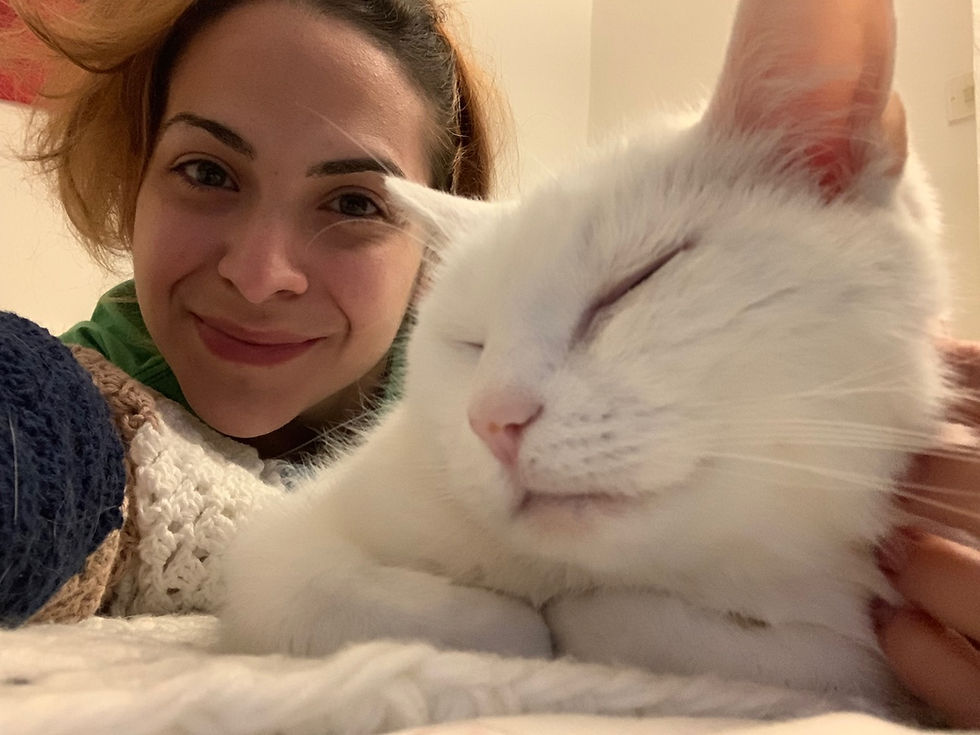
Mayte
Adult with ADHD
I joined the PPIE because being diagnosed with ADHD at the age of 40 was a big turning point for me – Learning about it made me wonder what better choices could I have made if I had known earlier. My wish is that younger generations have a better experience and learn to manage ADHD earlier in life.
Through PPIE, myself and others can make a difference on this with our input, while learning from other people's point of view.

Zak
Adult with ADHD
I joined the SYNC-ADHD PPIE group to help ensure the research into potential new ADHD treatments are inclusive of the thoughts, feelings, and experiences of young people with ADHD like myself.

Áine
Adult with ADHD
I joined the SYNC-ADHD PPIE panel because I believe women deserve to have their voices heard in areas where they are underrepresented

Yunhan
Adult with ADHD
I want to contribute to the understanding of neurodiversity and the discovery of means of support for everyone!
Hana
Adult with ADHD
As a Black, Muslim woman who was diagnosed with ADHD at age 33, I have lived experience of the unique challenges that come from navigating this invisible disability. I am currently studying for a master's in psychology and embarking on a journey to become an educational psychologist. I love this project because it is advancing research that hopefully will improve the lives of people with ADHD. This work is very important to the people it aims to benefit and is inclusive of people from all backgrounds, which makes me extremely proud to be a part of this project.
Why is PPIE Important?
Lived Experience Drives Better Research
People with lived experience bring insights that cannot be gained from academic knowledge alone. Their perspectives help ensure research focuses on the issues that matter most to young adults with ADHD and their families.
Making Research Accessible and Relevant
People with lived experience help identify barriers to participation and improve study materials, making research clearer, more inclusive, and more feasible for diverse communities.
Shaping Meaningful Impact
People with lived experience help ensure research findings are communicated in ways that are understandable, respectful, and useful to the ADHD community and those who support them.